Urinary incontinence refers to the involuntary leakage of urine, commonly affecting women after childbirth, menopause, or aging. It can interfere with daily activities and confidence. Evaluation includes bladder scans and urodynamic studies to identify the cause. Treatment ranges from pelvic floor exercises and medication to surgical procedures for severe cases. Proper management helps women regain bladder control, improve comfort, and restore quality of life.
Overactive Bladder (OAB)
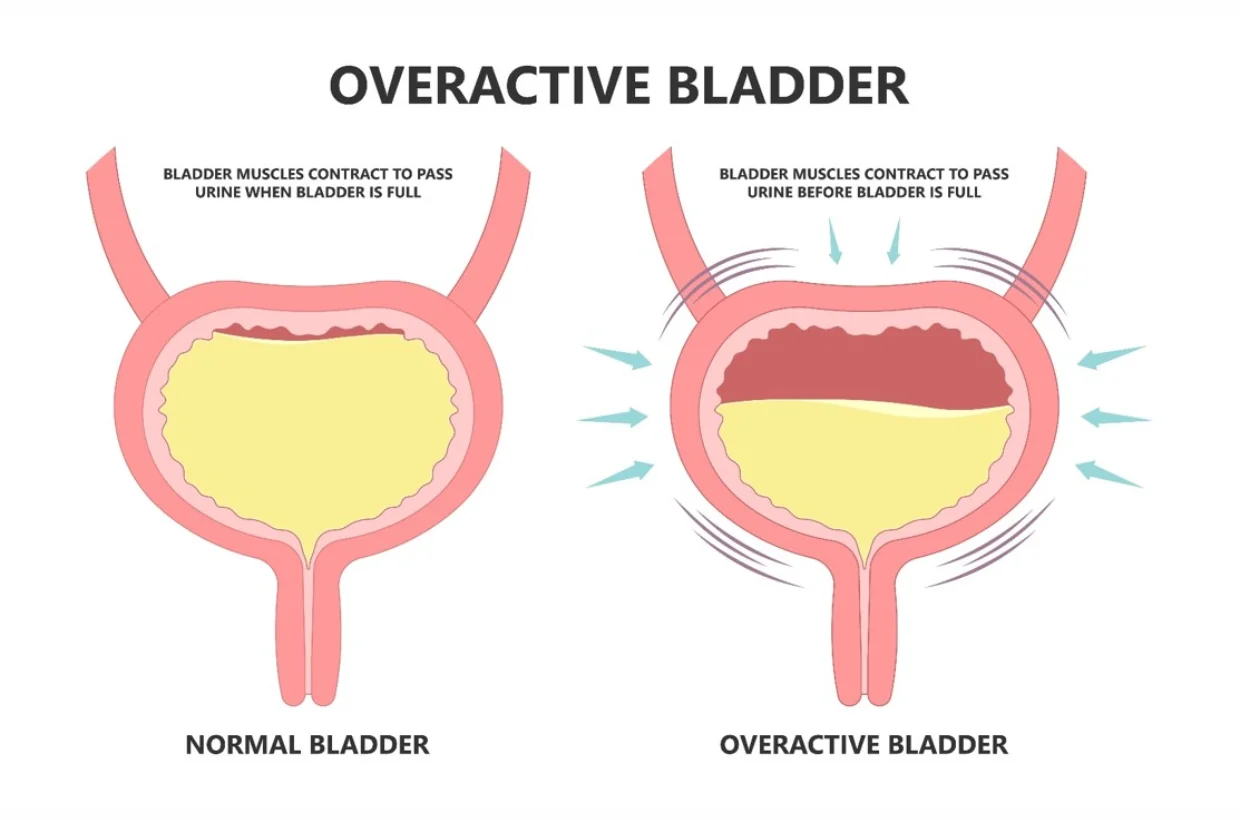
Overactive bladder causes frequent and sudden urges to urinate, sometimes with leakage. It can occur due to nerve overactivity, infections, or aging. Diagnosis involves urine tests, ultrasound, and bladder function studies. Treatment includes bladder training, medication, and advanced therapies like nerve stimulation. Lifestyle changes such as limiting caffeine and managing fluid intake also help. Consistent management improves bladder control and allows individuals to live more comfortably and confidently.