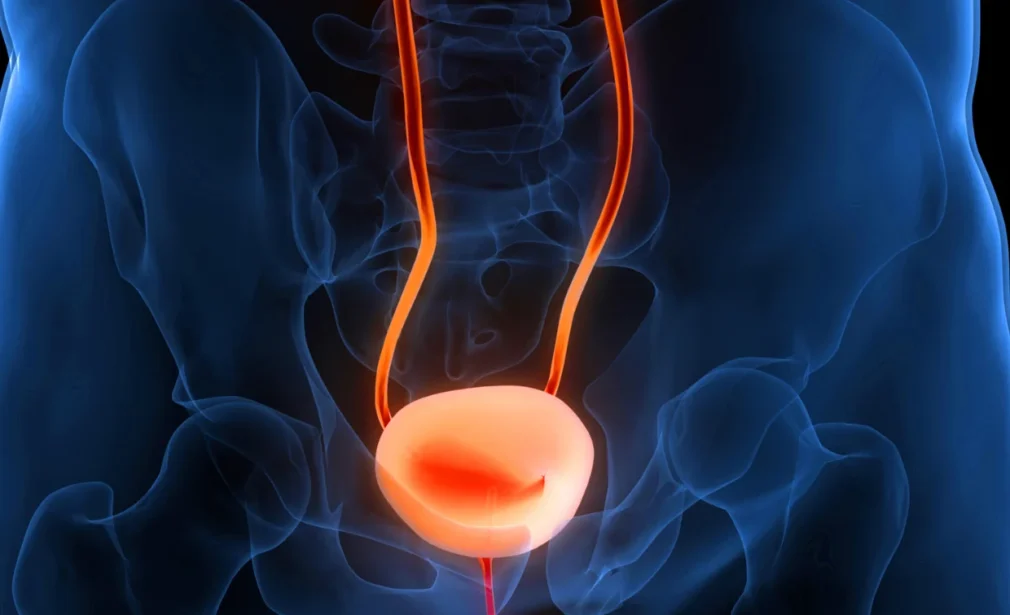
Bladder Stone
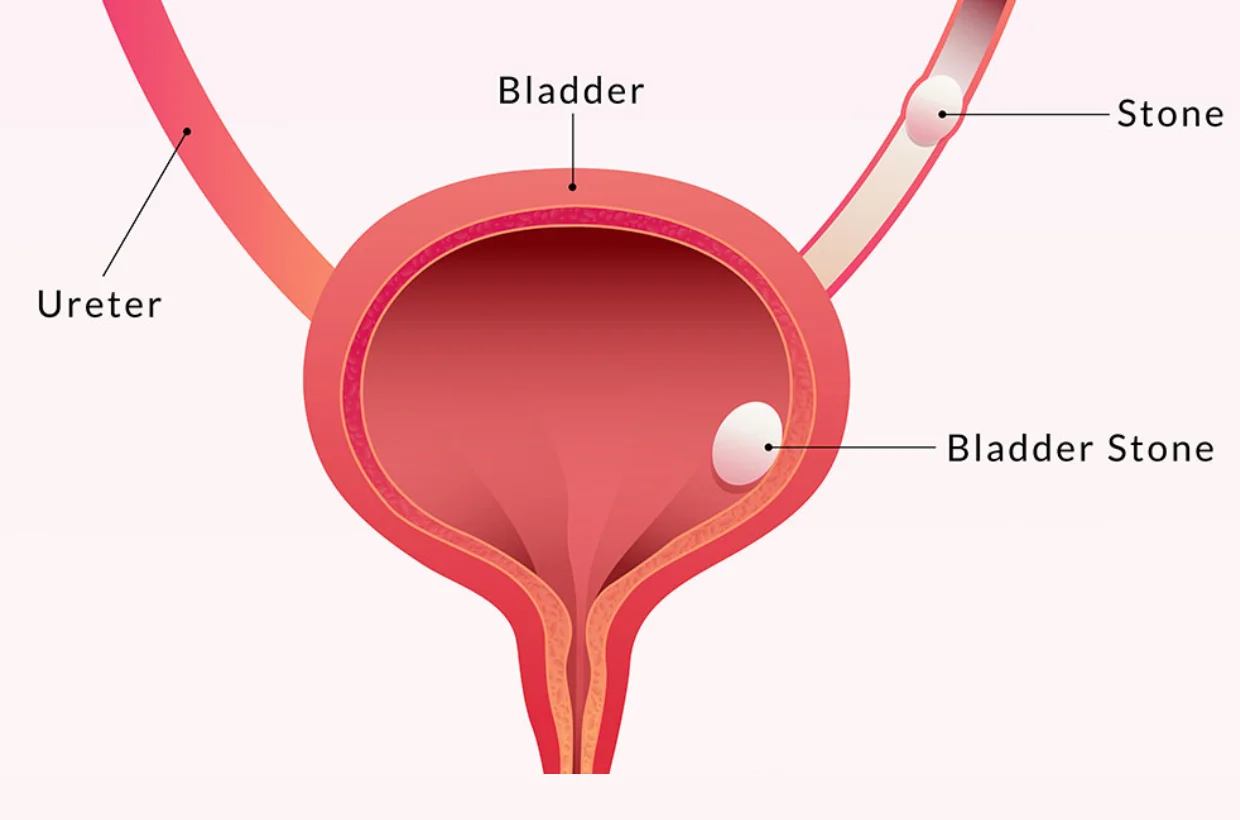
Bladder stones are hard deposits that form when urine becomes concentrated, leading to crystallization of minerals inside the bladder. They often cause lower abdominal pain, burning urination, and blood in urine. Small stones may pass naturally, but larger ones require medical intervention. Endoscopic procedures like Cystolithotripsy are highly effective in breaking and removing stones without open surgery. Proper diagnosis helps identify underlying causes such as bladder outlet obstruction or prostate enlargement. With timely treatment and preventive advice on hydration and bladder health, patients can experience quick recovery and lasting relief.
Bladder Cancer
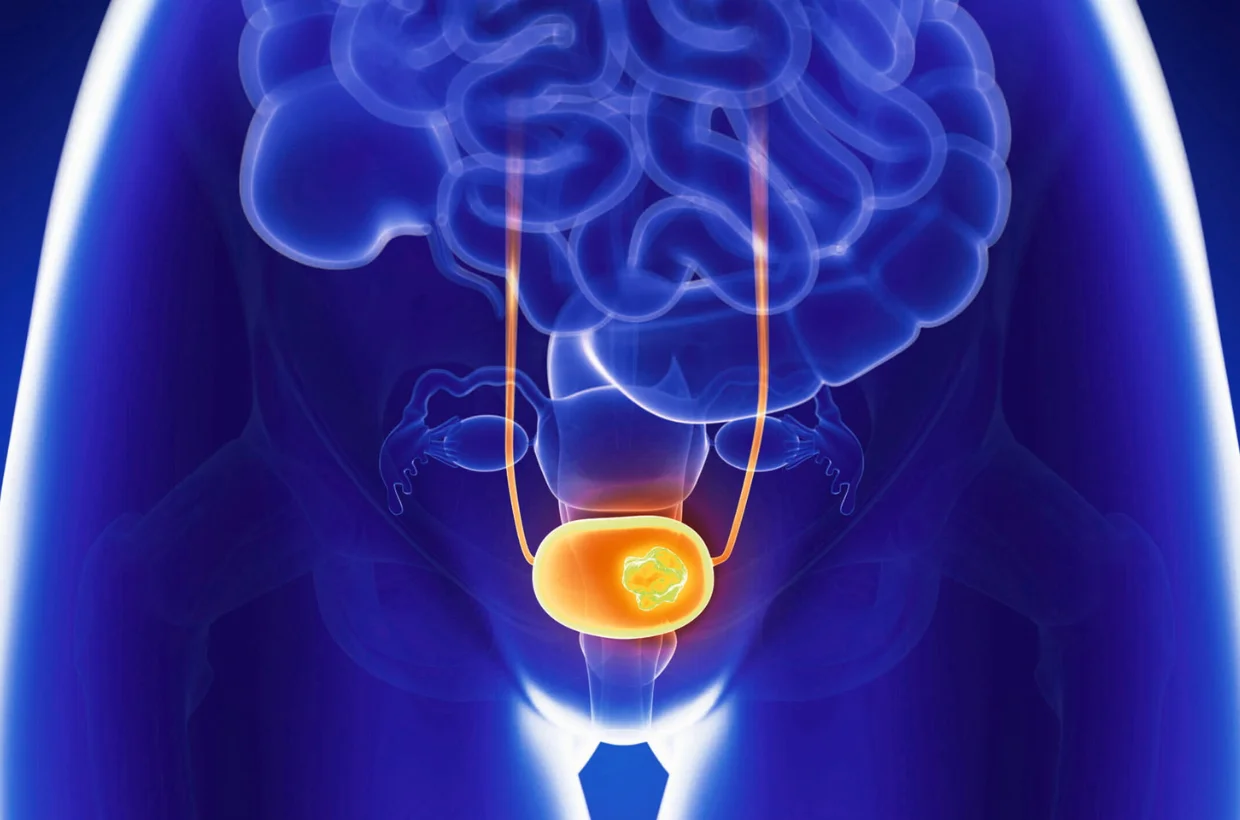
Bladder cancer develops when abnormal cells grow in the bladder lining. Early signs include blood in urine, frequent urination, and pain while passing urine. Diagnosis involves cystoscopy, imaging, and biopsy to determine the cancer stage. Treatment options include TURBT (Transurethral Resection of Bladder Tumor) for early cases and complex surgery like Radical cystectomy for higher stages. Regular surveillance helps prevent recurrence. With early detection and a precise treatment plan, bladder cancer can be effectively managed, offering better survival rates and improved quality of life.
Vesicoureteral Reflux (VUR)
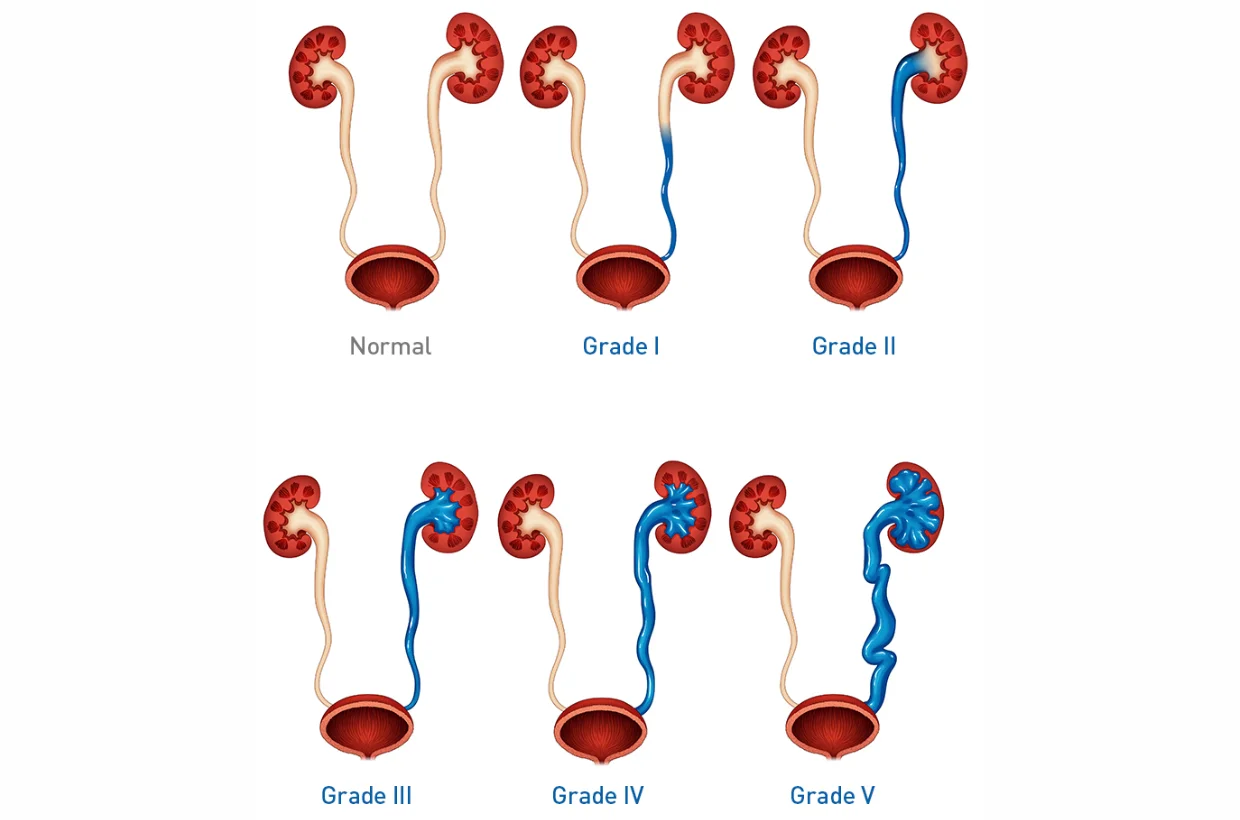
Vesicoureteral reflux (VUR) is a condition where urine flows backward from the bladder into the ureters or kidneys, increasing the risk of infections and kidney damage. It is commonly seen in children but can also affect adults. Diagnosis is made through imaging tests like an MCU or ultrasound. Mild cases may improve with medication, while severe cases require endoscopic injection or surgical reimplantation to correct the reflux. Timely treatment helps prevent recurrent urinary infections and ensures the urinary system functions normally without long-term complications.
Bladder Dysfunction
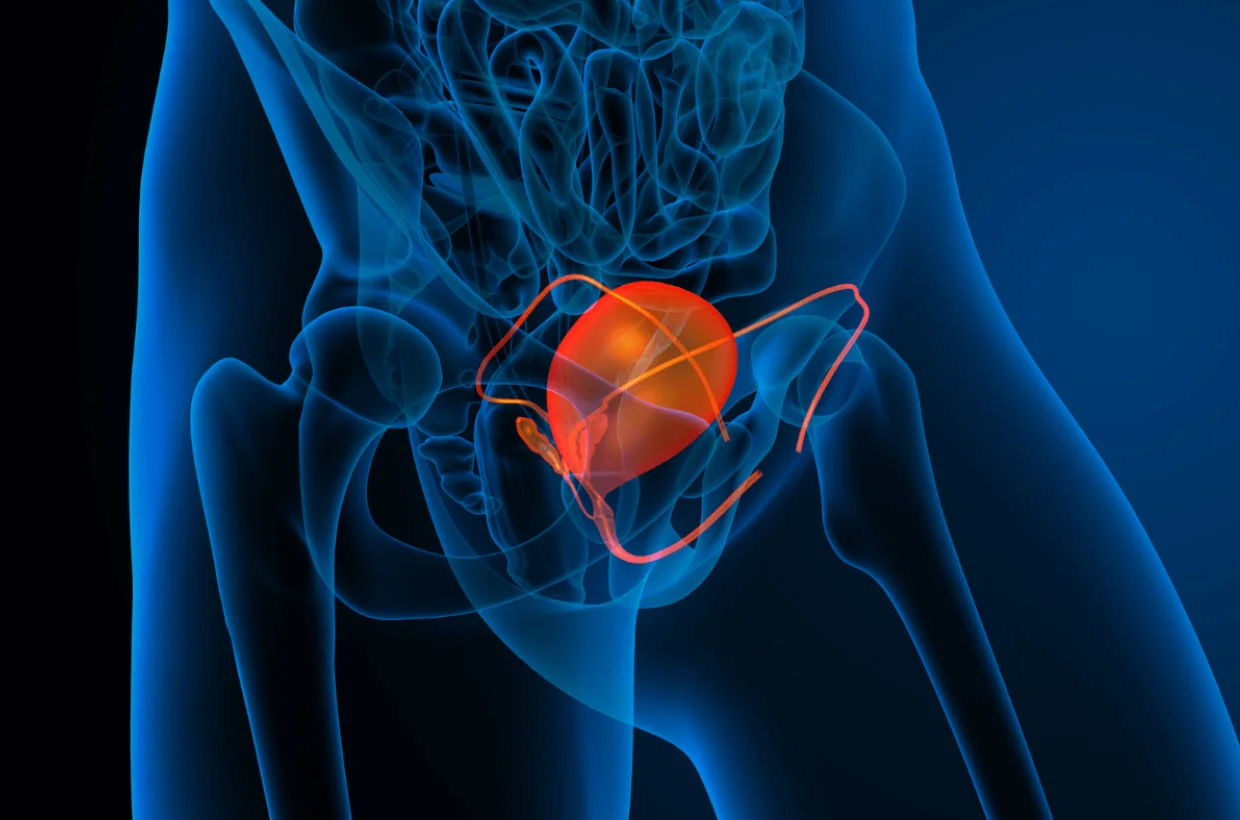
Bladder dysfunction includes problems with storing or emptying urine properly, leading to frequent urination, urgency, leakage, or retention. Causes may include nerve disorders, diabetes, infections, or aging. Evaluation involves urodynamic studies, ultrasound, and bladder scans to identify the root cause. Treatment varies from medication and bladder training to advanced therapies like neuromodulation. Lifestyle adjustments, pelvic floor exercises, and guided medical management help restore normal bladder control. With proper care, most patients can achieve lasting improvement in comfort, confidence, and urinary health.