Renal Transplant

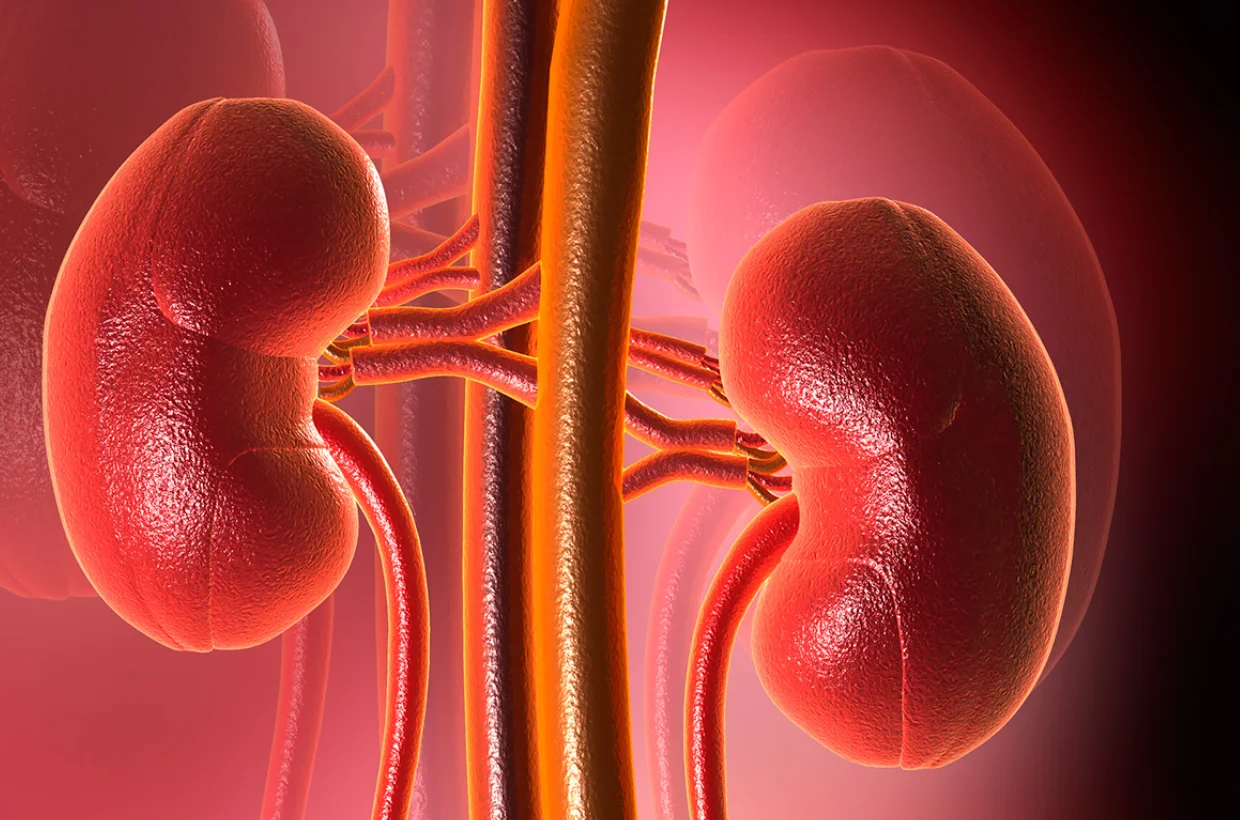
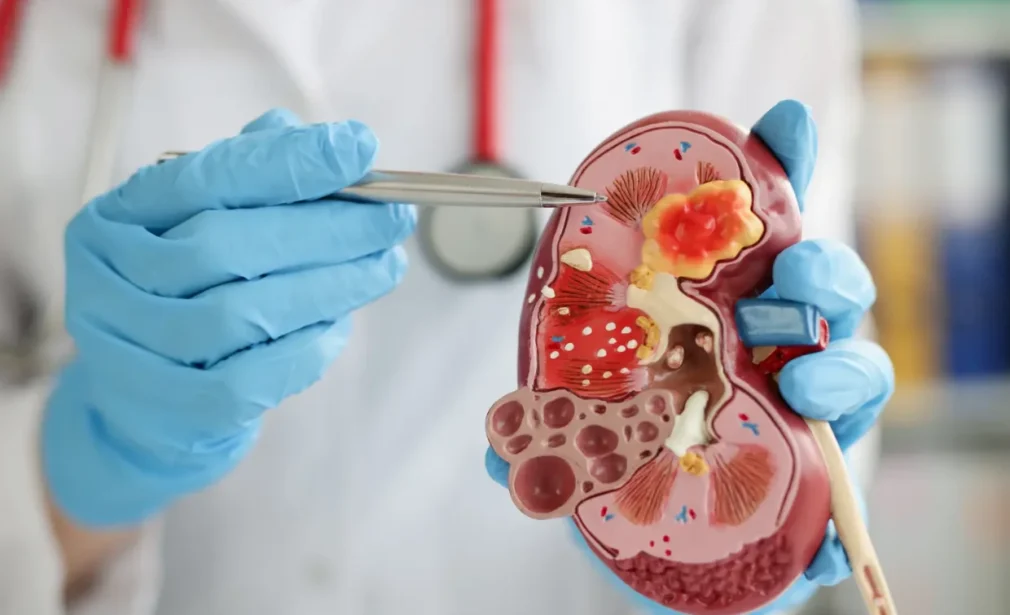
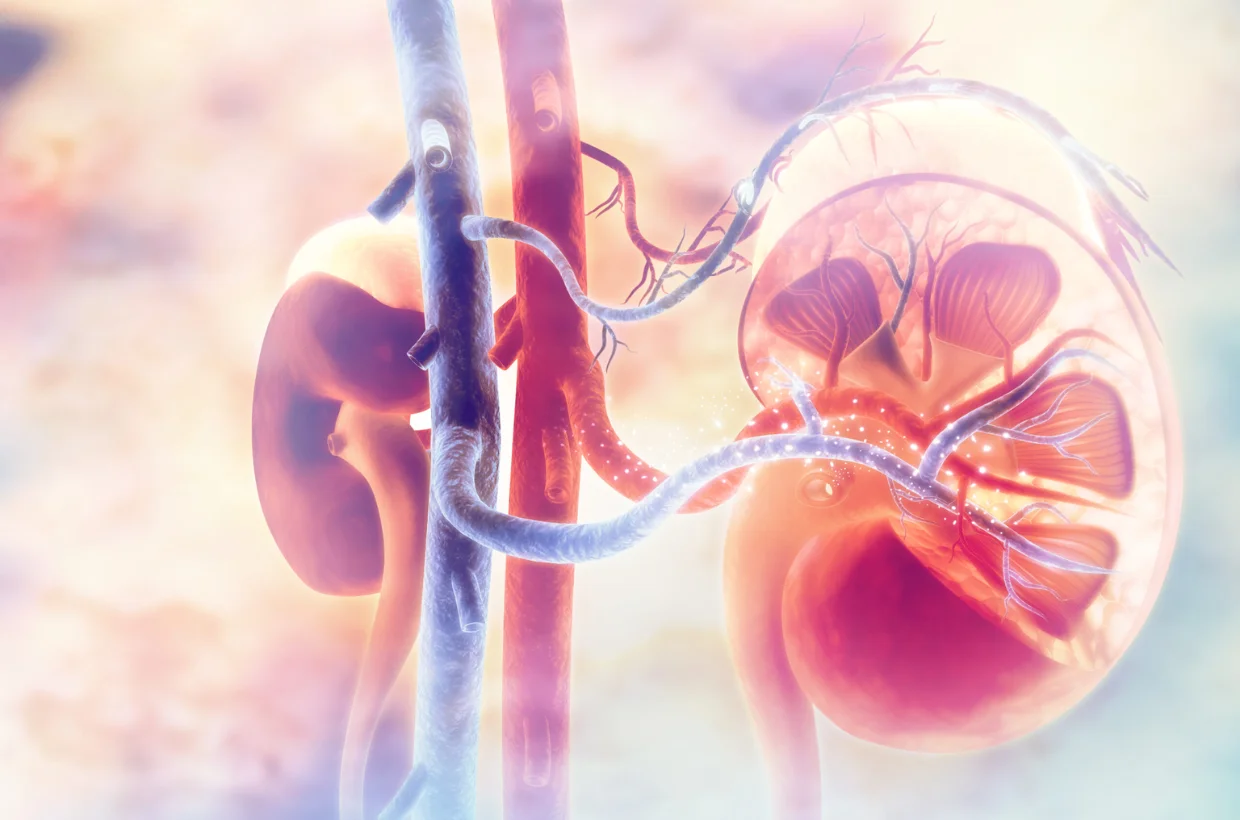
A renal transplant is a life saving procedure performed for patients with end-stage kidney failure. It involves placing a a healthy donor kidney in the recipient, allowing the body to filter waste and maintain fluid balance naturally. Before surgery, both donor and recipient undergo thorough medical evaluation to ensure compatibility and safety. Post-transplant care focuses on preventing rejection through medication, infection control, and regular monitoring. The procedure offers patients a new lease on life with greater energy, freedom from dialysis, and improved overall health and well-being.

Kidney Stone
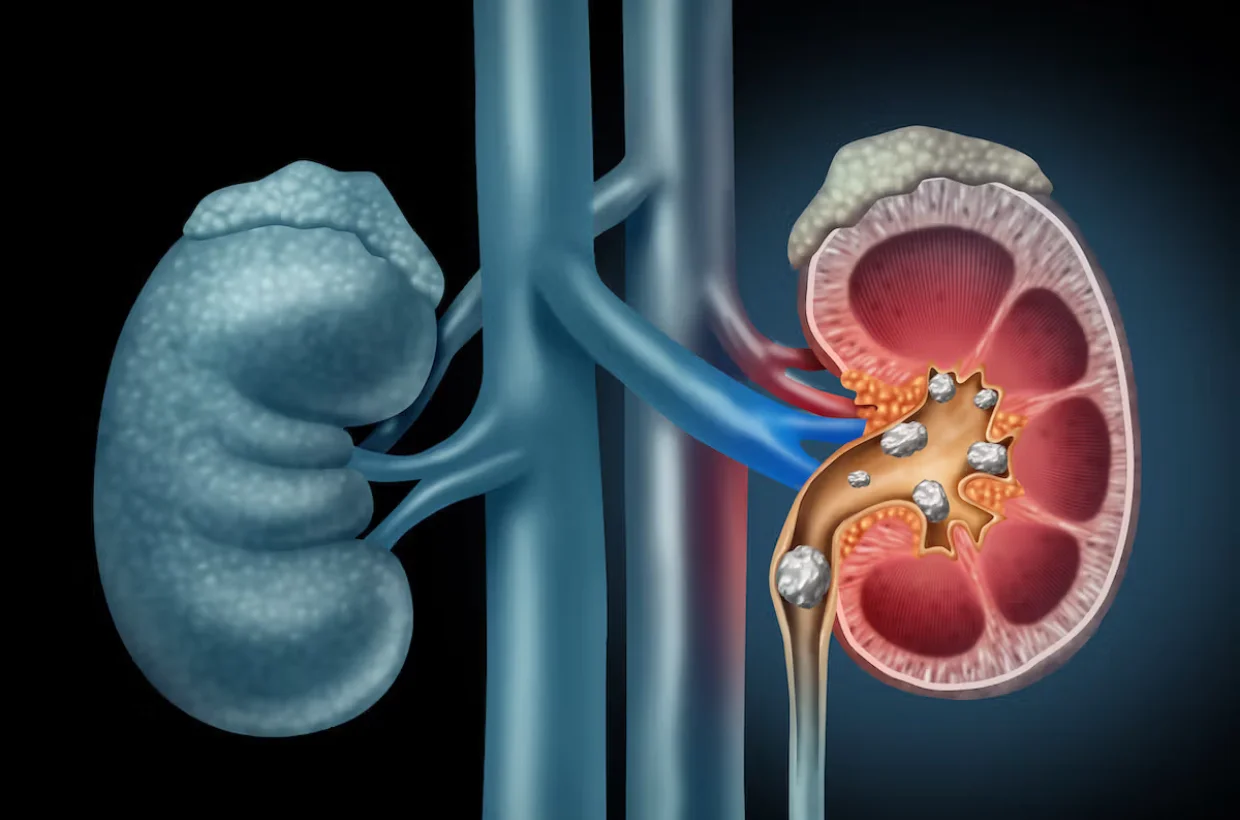
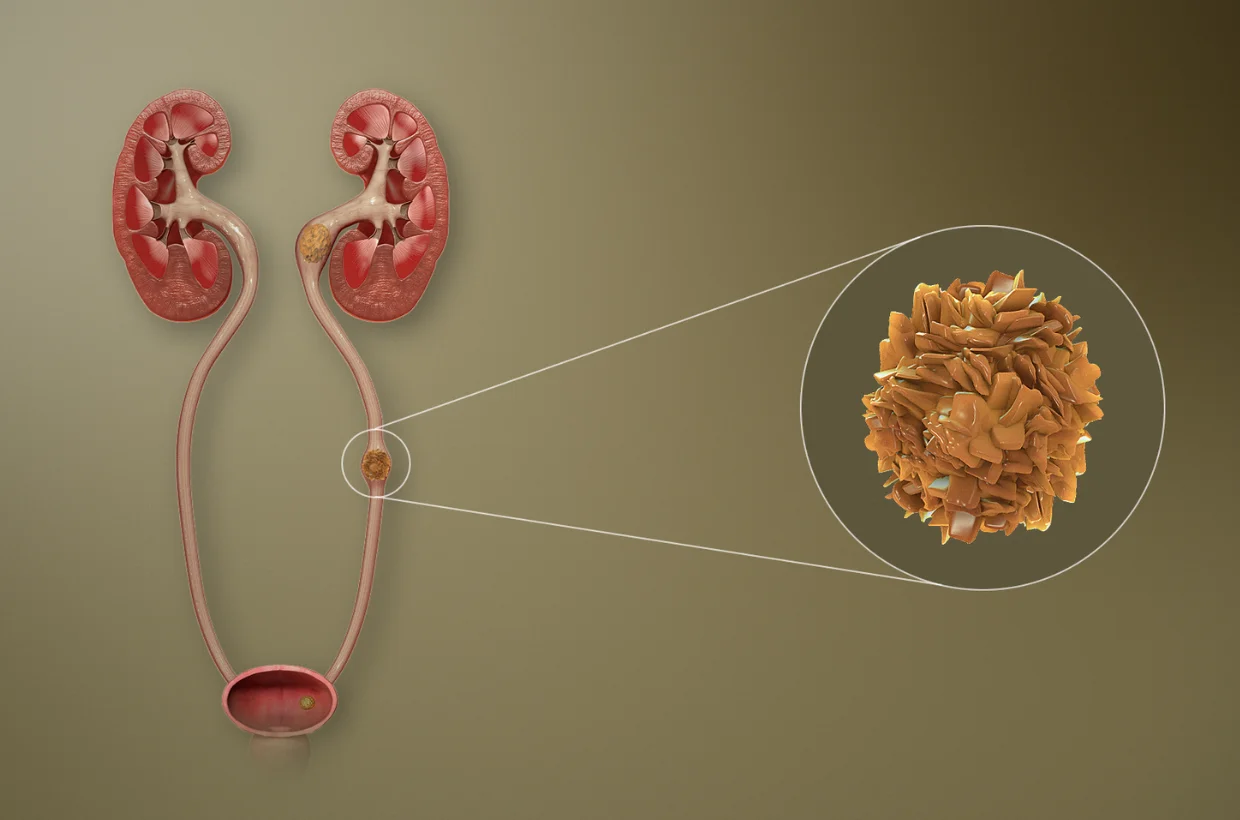
Kidney stones form when minerals and salts in urine crystallize, creating solid deposits that can cause sharp back or side pain, nausea, or urinary discomfort. Depending on the stone size and location, treatment may include hydration therapy, medication, or minimally invasive procedures such as RIRS, PCNL, or ESWL for stone removal. These modern techniques ensure faster recovery, less pain, and minimal hospital stay. Preventive measures like maintaining hydration, dietary adjustments, and periodic urine tests help reduce recurrence and promote long-term kidney health.

Ureteric Stone

A ureteric stone forms when a kidney stone travels down and gets stuck in the ureter, the tube connecting the kidney and bladder. This causes severe pain, nausea, and sometimes blockage of urine flow. Diagnosis is made through ultrasound or CT scans, and treatment depends on stone size and position. Minimally invasive procedures like URSL (Ureteroscopic Lithotripsy) and laser stone fragmentation are used to safely remove or break the stone. Quick relief, minimal discomfort, and prevention of kidney damage are the main goals of treatment.

Renal Cancer

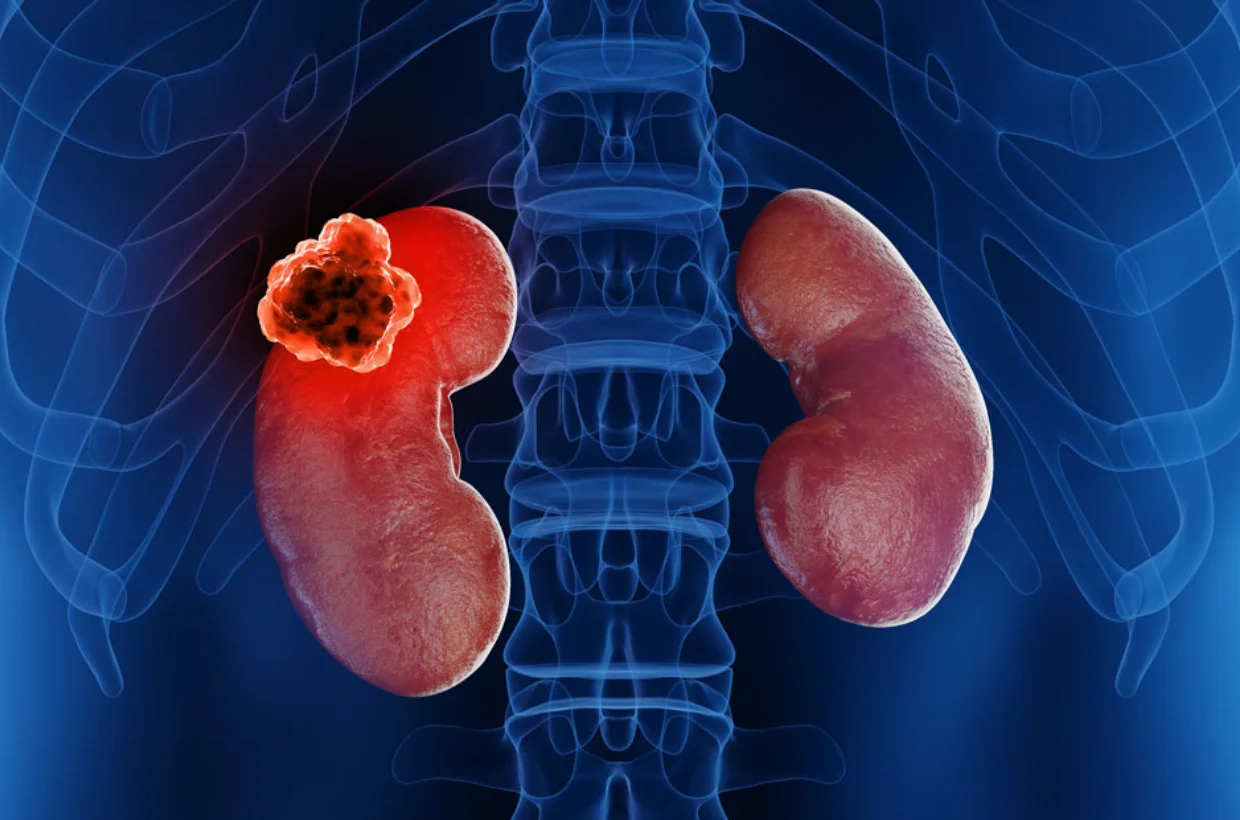
Renal cancer occurs when abnormal cells develop in the kidney’s tissues, often detected through imaging or incidental findings. Symptoms may include blood in urine, back pain, or unexplained weight loss. Treatment options include partial or radical nephrectomy using laparoscopic or minimally invasive methods to remove the tumor while preserving kidney function when possible. Early diagnosis, proper staging, and regular follow-ups are crucial to ensure effective cancer control and long-term survival. Personalized care helps patients recover faster and maintain healthy kidney function after treatment.

Renal Cyst

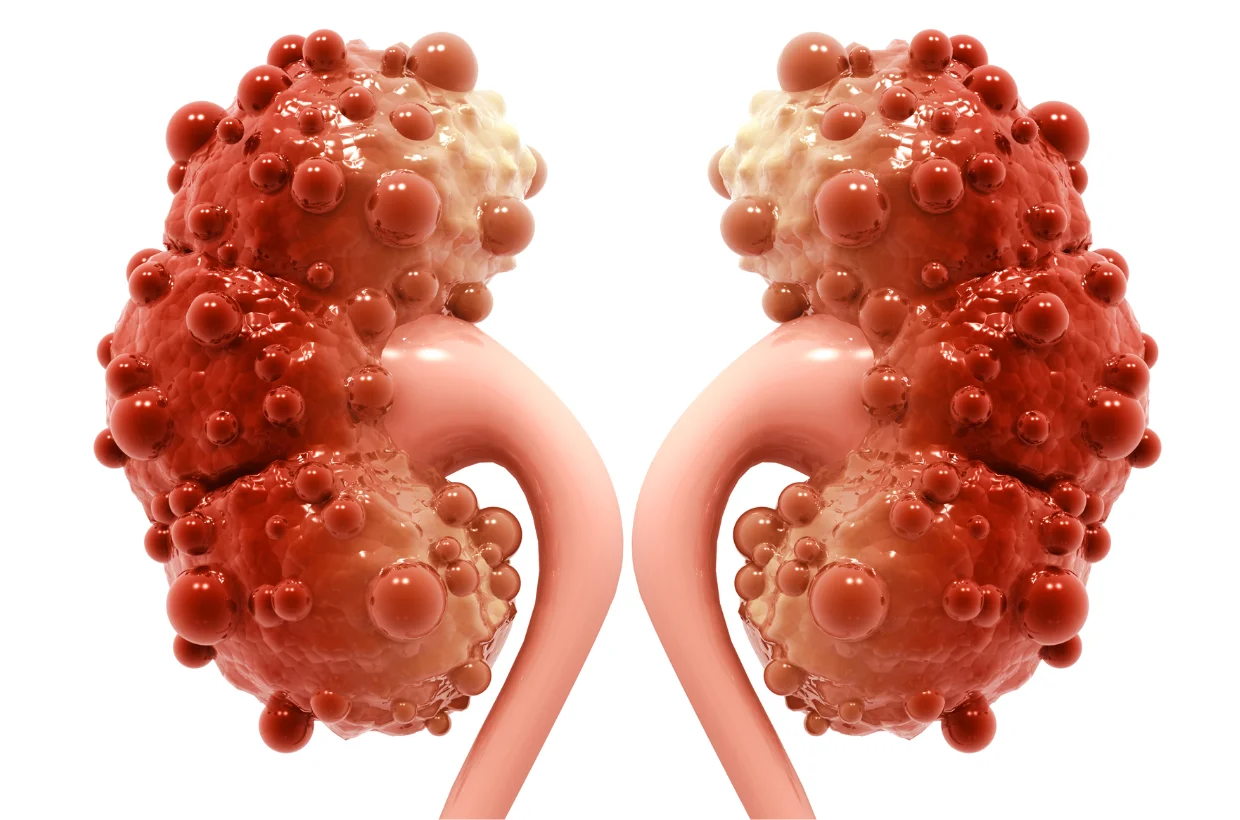
A renal cyst is a fluid-filled sac that develops within or on the kidney. Most simple cysts are harmless and discovered incidentally during imaging, but some may enlarge or cause pain and pressure. Complex cysts may require detailed evaluation to rule out infection or malignancy. Treatment options include laparoscopic deroofing or image-guided drainage, which are safe and minimally invasive.

Kidney Transplant

A kidney transplant is performed for patients suffering from end-stage renal disease or permanent kidney failure. It involves placing a healthy donor kidney in the recipient to restore normal body functions. The process includes careful donor matching, surgical transplantation, and ongoing post-operative care. This procedure helps patients live longer, healthier lives without the need for dialysis. Regular follow-up, immunosuppressive therapy, and monitoring ensure the transplanted kidney functions effectively. With proper care and adherence to medical guidance, transplant recipients can enjoy improved energy, better quality of life, and renewed independence.